Pengaruh Media Sosial Instagram terhadap Perilaku Pemilih Gen Z pada Pilkada 2024 di Kecamatan Lubuk Sikaping Kabupaten Pasaman
DOI:
https://doi.org/10.47134/villages.v6i2.300Keywords:
Instagram, Perilaku Pemilih, Generasi ZAbstract
Tingginya intensitas penggunaan media sosial, khususnya Instagram, mendorong banyak pasangan calon kepala daerah untuk memanfaatkannya sebagai sarana kampanye politik. Hal ini disebabkan karena tingginya intensitas penggunaan di kalangan pemilih muda. Di media sosial informasi yang diperoleh dari tidak selalu valid, karena rentan terhadap bias, manipulasi citra, dan kurangnya verifikasi fakta. Tujuan dari kajian ilmiah ini adalah menjelaskan pengaruh media sosial terhadap perialku pemilih Gen Z pada Pilkada 2024 di Kecamatan Lubuk Sikaping Kabupaten Pasaman. Penelitian ini menggunakan pendekatan kuantitatif dengan metode survei. Dengan menyebarkan kuesioner kepada responden Gen Z di Kecamatan Lubuk Sikaping Kabupaten Pasaman. Pengambilan sampel menggunakan multistage random sampling. Analisis yang digunakan ialah Regresi Logistik Multinomial, karna salah satu variabel merupakan data nominal. Setelah dilakukan penelitian didapatkan hasil bahwa terdapat pengaruh antara media sosial Instagram terhadap perilaku pemilih Gen Z pada Pilkada 2024 di Kecamatan Lubuk Sikaping Kabupaten Pasaman.
References
Adnan, M. F. (2012). Perilaku memilih pada pemilihan kepala daerah secara langsung. UNP Press.
Antameng, N. M., & Hera, L. L. J. (2024). Pengaruh Komunikasi Politik Melalui Instagram Terhadap Partisipasi Politik Generasi Z Pada Pemilihan Presiden 2024 Di Kelurahan Aertembaga Dua Kota Bitung. In Prosiding Seminar Nasional Ilmu Ilmu Sosial (SNIIS) (Vol. 3, pp. 1324-1337).
Asosiasi Penyelenggara Jasa Internet Indonesia. (2024). Laporan Survei Internet Indonesia 2024. APJII. https://apjii.or.id
Efriza, (2012). Political Explore. Bandung: Alfabeta
El Qudsi, M. I., & Syamtar, I. A. (2020). Instagram Dan Komunikasi Politik Generasi Z Dalam Pemilihan Presiden 2019 (Studi Pada Mahasiswa Universitas Pertamina). Perspektif Komunikasi: Jurnal Ilmu Komunikasi Politik dan Komunikasi Bisnis, 4(2), 167-185.
Ghozali, Imam. (2018). Aplikasi Analisis Multivariate Dengan Program IBM SPSS 25. Semarang: Badan Penerbit Universitas Diponegoro.
Hemay, I., & Munandar, A. (2016). Politik Identitas dan Pencitraan Kandidat Gubernur terhadap Perilaku Pemilih. Politik, 12(1), 1737-1737.
Kaplan, A. M., & Haenlein, M. (2010). Users of the world, unite! The challenges and opportunities of Social Media. Business Horizons, 53(1), 59–68.
Khairina, J., Faza, K., Haris, M. Z., Kharisma, R., & Nayla, Y. (2022). Fenomena echo chamber di media sosial dan dampaknya terhadap polarisasi politik bagi mahasiswa. Journal of Civics and Education Studies, 9(2), 121-130.
Lananda, A., Mulyadi, D., Simbolon, C. C., Alvian, C. K., Farraz, M. I., & Perdana, Z. A. (2024). Pengaruh Media Massa Terhadap Generasi Z Sebagai Partisipasi Pemilu 2024: Di Tinjau Dari Teori Demokrasi. Rio Law Jurnal, 5(1).
NapoleonCat. (2024). Instagram User di Indonesia. Napoleoncat.Com. https://napoleoncat.com/stats/social-media-users-in-indonesia/2025/01/
Nugraheni, D. (2016). Media sosial sebagai ruang partisipasi politik masyarakat. Jurnal Komunikasi dan Politik, 4(2), 115–126.
Nur, U., & Sukarno, M. (2023). Partisipasi Politik dan Keterlibatan Masyarakat Pada Pemilu:(Studi Kasus: Kecamatan Dlingo, Kabupaten Bantul). Politeia: Jurnal Ilmu Politik, 15(2), 148-168.
Pardana, D. (2023). Pengaruh Media Sosial Dalam Memprediksi Partisipasi Perilaku Pemilih Pemula Pada Pemilihan Umum 2024. AT TARIIZ: Jurnal Ekonomi Dan Bisnis Islam, 2(01), 36-44.
Pratiwi, D., & Utomo, S. (2013). Strategi Politik Partai Golkar Pada Pemilihan Umum Kepala Daerah Kabupaten Karanganyar Tahun 2013. Journal of Politic and Government Studies, 3(1), 116-125.
Prensky M. (2001). Digital Game-based Learning. New York: Mc Graw-Hill.
Ramlan Surbakti. Memahami Ilmu Politik. Grasindo, Jakarta,2010.
Salmah, N., & Adnan, M. F. (2024). Pengaruh Media Sosial Terhadap Partisipasi Politik Generasi Milenial Pada Pemilu Tahun 2024 di Kabupaten Padang Pariaman. Jurnal ISO: Jurnal Ilmu Sosial, Politik dan Humaniora, 4(2).
Saputra, R. A., & Erowati, D. (2022). Pengaruh media sosial terhadap partisipasi politik anak muda di Kota Semarang. Jurnal Ilmu Komunikasi, 18(2), 123–134.
Seemiller, C., & Grace, M. (2016). Generation Z goes to college. Jossey-Bass.
Subekti, T. (2014). Partisipasi Politik Masyarakat Dalam Pemilihan Umum (Studi Turn of Voter dalam Pemilihan Umum Kepala Daerah Kabupaten Magetan Tahun 2013) (Doctoral dissertation, Brawijaya University).
Sugiyono. 2018. Metode Penelitian Kuantitatif, Kualitatig, dan R&D, penerbit Alfabeta,Bandung.
Twenge, J. M. (2017). iGen: Why today's super-connected kids are growing up less rebellious, more tolerant, less happy--and completely unprepared for adulthood and what that means for the rest of us. Simon and Schuster.
Wahyudi, M. I., & Adnan, M. F. (2019). Pengaruh sosialisasi politik terhadap partisipasi pemilih pemula pada Pilkada Kota Padang 2018. Jurnal Perspektif, 2(3), 157-163.
Yasa, I. K. W. P. (2024). Personal branding of politicians through social media as political communication in attracting Gen-Z people. Jurnal Pewarta Indonesia, 6(1), 1-13.
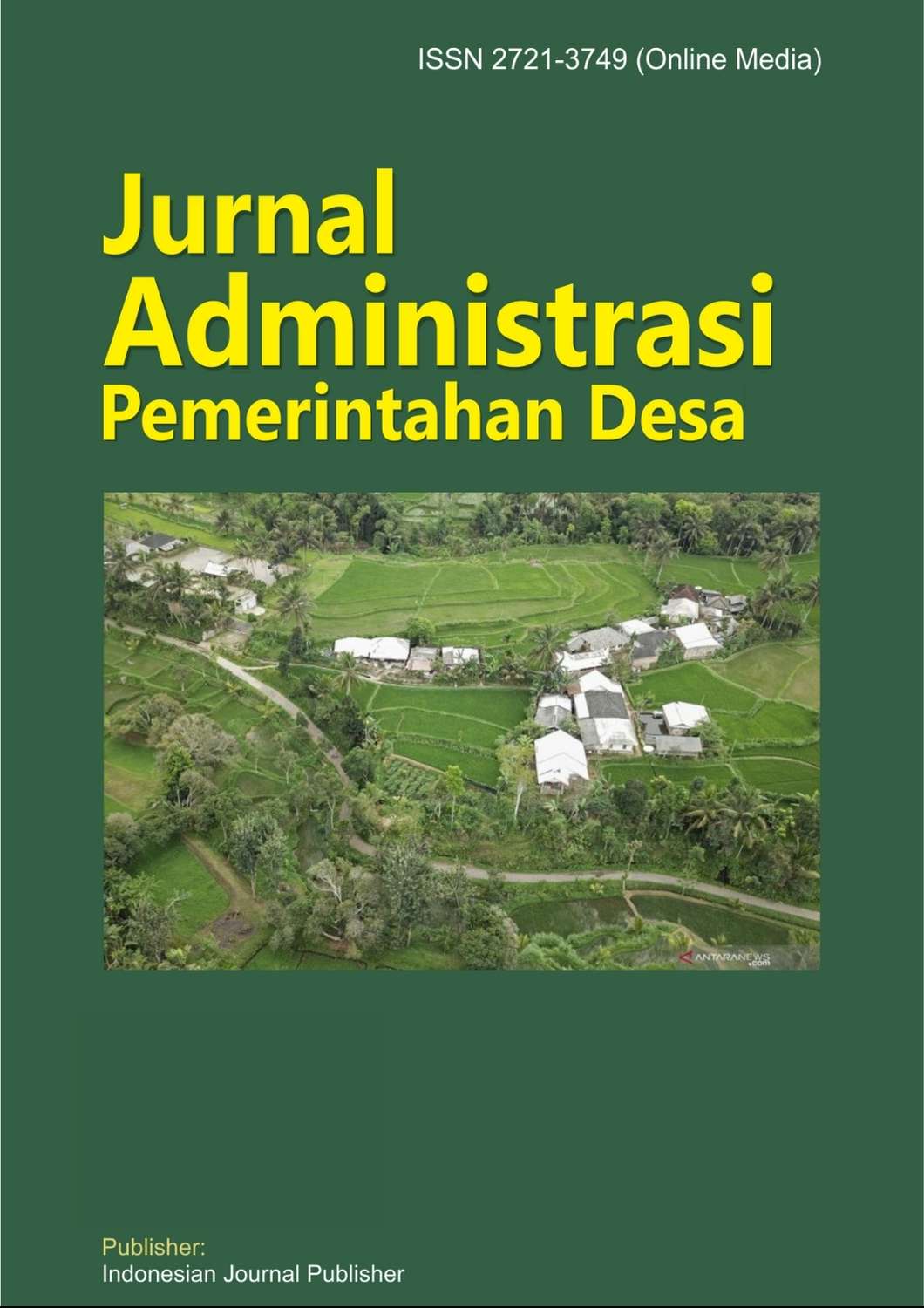
Downloads
Published
How to Cite
Issue
Section
License
Copyright (c) 2025 Anjeli Putri, M. Fachri Adnan

This work is licensed under a Creative Commons Attribution 4.0 International License.
This journal is based on the work at https://villages.pubmedia.id/index.php/villages under license from Creative Commons Attribution-ShareAlike 4.0 International License. You are free to:
- Share – copy and redistribute the material in any medium or format.
- Adapt – remix, transform, and build upon the material for any purpose, even commercially.
The licensor cannot revoke these freedoms as long as you follow the license terms, which include the following:
- Attribution. You must give appropriate credit, provide a link to the license, and indicate if changes were made. You may do so in any reasonable manner, but not in any way that suggests the licensor endorses you or your use.
- ShareAlike. If you remix, transform or build upon the material, you must distribute your contributions under the same license as the original.
- No additional restrictions. You may not apply legal terms or technological measures that legally restrict others from doing anything the license permits.
Information for authors
The author should be aware that by submitting an article to this journal, the article's copyright will be fully transferred to Jurnal Administrasi Pemerintahan Desa. Authors are allowed to resend their manuscript to other journals or intentionally withdraw the manuscript only if both parties (Jurnal Administrasi Pemerintahan Desa and Authors) have agreed on the issue. Once the manuscript has been published, authors are allowed to use their published article under Jurnal Administrasi Pemerintahan Desa copyrights.
All authors are required to deliver the agreement of license transfer once they submit the manuscript to Jurnal Administrasi Pemerintahan Desa. By signing the agreement, the copyright is attributed to this journal to protect the intellectual material for the authors. Authors are allowed to share, copy and redistribute the material in any medium and in any circumstances.
• Creative Commons Attribution-ShareAlike (CC BY-SA)

Jurnal Administrasi Pemerintahan Desa is licensed under an International License